
wall mirror with lights for bathroom
How to Close the Water Valve A Step-by-Step Guide Closing a water valve is a crucial skill for homeowners and renters alike. Whether you are tackling a plumbing issue, preparing for maintenance, or simply trying to conserve water, knowing how to properly shut off your water supply is essential. This article will guide you through the steps necessary to close a water valve safely and effectively. Why You Might Need to Close the Water Valve There are several scenarios in which you may need to close your water valve. Common reasons include 1. Plumbing Repairs If you are fixing a leaky faucet, changing out a toilet, or repairing pipes, it’s important to close the valve to prevent water from flowing and creating a mess. 2. Emergencies In the event of a burst pipe or severe leak, turning off the water can help minimize damage to your home. 3. Seasonal Maintenance For those living in colder climates, it may be necessary to shut off the water to outdoor faucets to prevent freezing and cracking during winter. Identifying Your Water Valves Before you can close a water valve, you need to know where they are located. There are usually two types of valves in a typical household 1. Main Shut-off Valve This valve controls the water supply to your entire home. It is typically located near the water meter or where the main water line enters your house. 2. Individual Shut-off Valves These valves control the water supply to specific fixtures, such as sinks, toilets, and appliances. They are usually located close to the fixture they serve. Step-by-Step Instructions to Close the Water Valve Now that you are familiar with the types of valves, here is how to close them how to close the water valve 1. Gather Necessary Tools You may not need any tools for most valves since they can often be operated by hand. However, having a wrench or pliers nearby can be helpful for more stubborn valves. 2. Locate the Valve Find the appropriate valve that you need to close. If it's the main shut-off valve, look for a round wheel or a lever. For individual fixtures, check under the sink, behind the toilet, or near appliances. 3. Turn Off the Valve - For a Round Wheel Valve Turn the handle clockwise (right) to close it. You may need to use some force if it hasn’t been turned in a while. - For a Lever Valve Switch the lever 90 degrees to the right (or perpendicular to the pipe) to shut off the water. 4. Test the Valve Once closed, turn on a faucet connected to the same line to check if water is still running. If it stops, you've successfully closed the valve. 5. Address Any Issues If the valve is leaking or difficult to turn, you may need to consult a plumber to avoid any complications. Do not force a valve that is stuck, as this could cause damage. Conclusion Knowing how to close the water valve is an important home maintenance skill. Whether you are performing repairs, tackling leaks, or mobilizing for seasonal changes, securely shutting off your water supply helps protect your property, save water, and mitigate potential damage. Always remember to check your valves periodically to ensure they remain in good working condition. With these steps, you will be well-equipped to manage your water supply efficiently.
about
wall mirror with lights for bathroom
Understanding Thread Gauge Tools Essential Instruments for Precision Engineering In the world of engineering, precision and accuracy are paramount. One of the unsung heroes in this quest for perfection is the thread gauge tool. Often overlooked, this handy instrument plays a crucial role in ensuring that threaded components fit together seamlessly, promoting overall efficiency and safety in various applications. This article will delve into the purpose, types, and importance of thread gauge tools in engineering. What is a Thread Gauge Tool? A thread gauge tool is an instrument designed to measure and identify the pitch, diameter, and type of threads on a fastener or a bolt. Threads, which are the helical structures on screws and bolts, are critical in providing the grip needed to hold components together. When a thread is miscalculated or improperly measured, it can lead to mechanical failures and safety hazards. Therefore, thread gauges ensure that the right specifications are adhered to, which is essential for the integrity of any assembly. Types of Thread Gauge Tools There are several types of thread gauge tools, each serving a distinct purpose 1. Pitch Gauges These gauges are used to measure the pitch (the distance between threads) and the type of threads on a fastener. They typically consist of a series of blades or leaves, each marked with a different pitch. 2. Thread Plug Gauges These gauges act as standards for checking the internal threads of a hole. They are designed to fit precisely into the threaded hole to verify its sizes and tolerances. 3. Thread Ring Gauges Conversely, thread ring gauges are used to check the external threads on bolts and rods. They ensure that external threads meet specified standards. 4. Calipers While primarily used for general measurements, calipers can be outfitted with specific attachments or settings to measure thread diameters. thread gauge tool 5. Thread Inspection Sets These sets consist of a variety of gauges that can measure different thread types and sizes. They are particularly useful for quality control in production environments. Importance of Thread Gauge Tools The use of thread gauge tools is vital across numerous industries, from automotive and aerospace to construction and manufacturing. Here are some reasons highlighting their importance 1. Quality Control Using thread gauges ensures that components are manufactured to specification. By adhering to precise standards, manufacturers can reduce the likelihood of defects and ensure that products function as intended. 2. Safety In critical applications such as the aerospace and automotive industries, the safety of operators and end-users is paramount. Properly gauged threads help prevent catastrophic failures that can result from loose or improperly fitted components. 3. Cost Efficiency Ensuring that parts fit together properly minimizes the potential for rework, scrap, or product returns, contributing to cost efficiency in production processes. 4. Time-Saving With various thread gauges readily available, engineers and technicians can quickly identify thread types and measurements, saving time during inspections and assembly. 5. Customization and Versatility Thread gauge tools can accommodate a variety of thread standards (e.g., UNC, UNF, metric), making them versatile instruments for engineers who often work with different materials and specifications. Conclusion Thread gauge tools, while simple in design, are essential for maintaining the integrity and safety of threaded assemblies in engineering. Their role in quality control, safety assurance, and cost efficiency cannot be overstated. For anyone involved in manufacturing, design, or maintenance, understanding how to properly use and select thread gauge tools is crucial. With precision at the heart of engineering practice, incorporating these tools into workflows can make a significant difference in product quality and operational success.
-

High quality industrial productsagement

High quality industrial products
View Details -

Meet the diverse needs of customers

Meet the diverse needs of customers
View Details -

Strict quality control

Strict quality control
View Details -

Top raw materials

Top raw materials
View Details -

Trusted supplier

Trusted supplier
View Details
Our application


news and information
Valves Available for Purchase Now at Competitive Prices
Exploring the Market for Valves for Sale A Comprehensive Guide In industrial applications across var
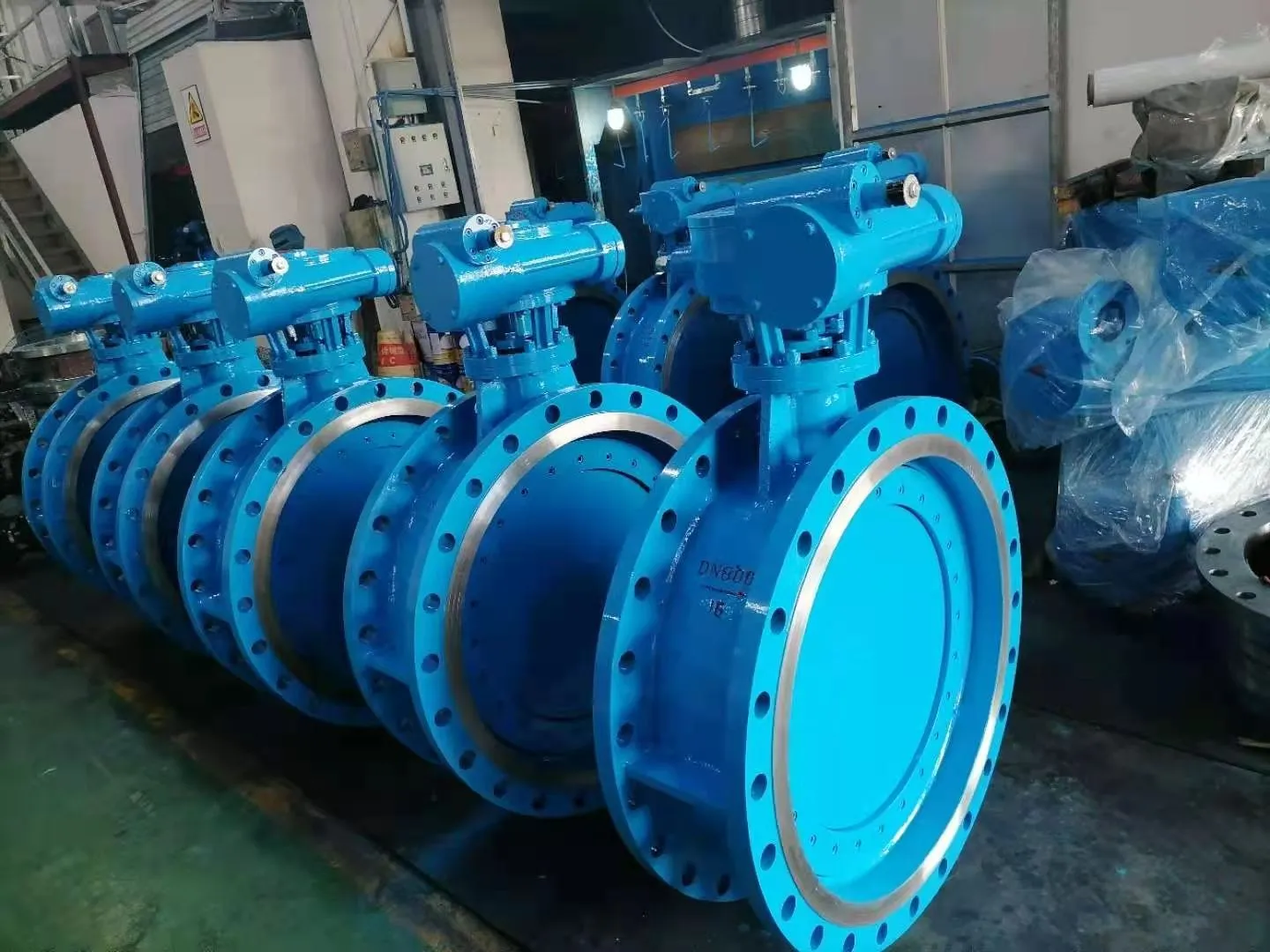
what is a water valve
Understanding Water Valves Their Role and Importance Water valves are essential components in plumbi
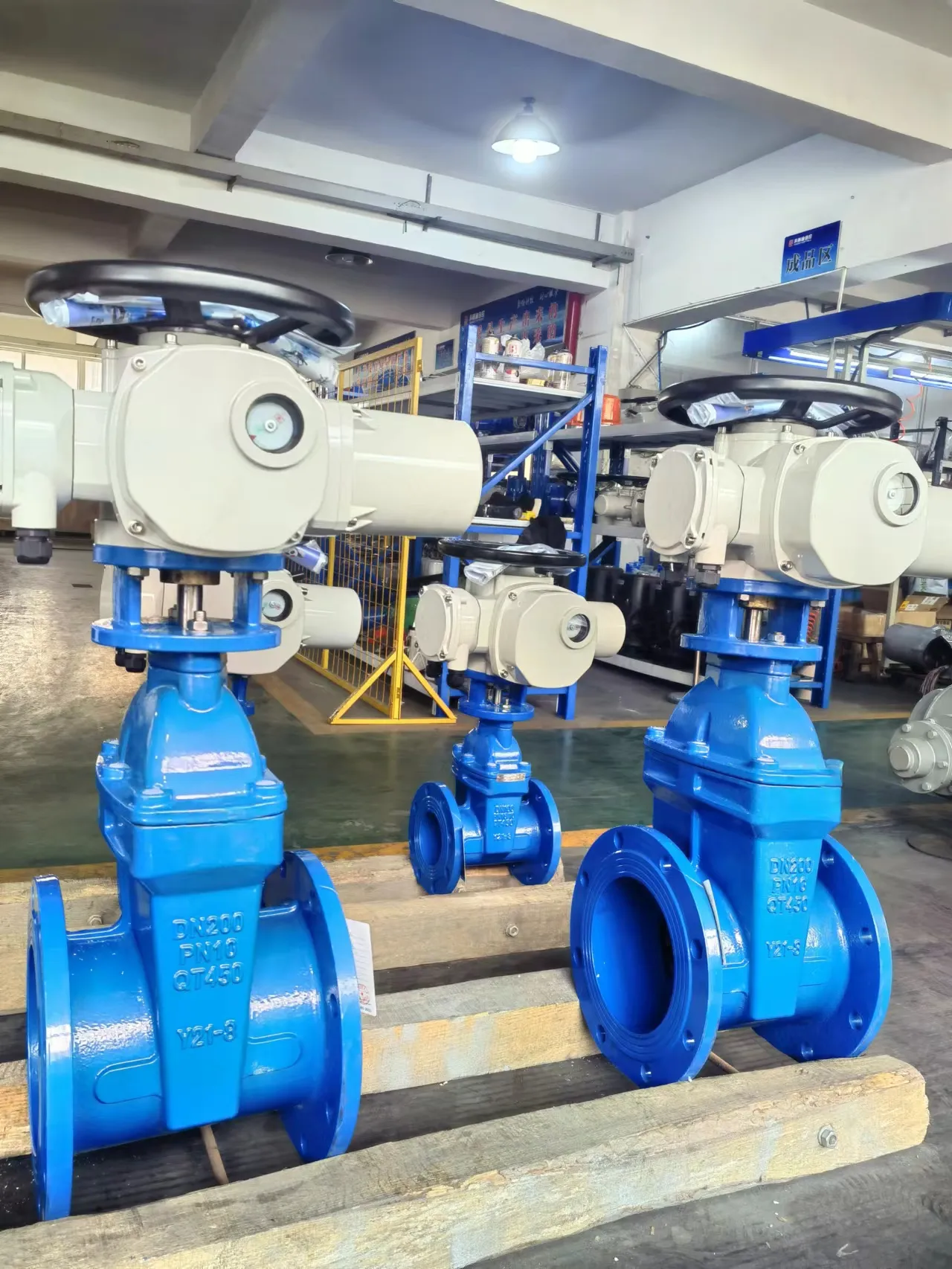
y shaped strainer
The Y-shaped strainer, a relatively lesser-known but essential component in various industries, play
 English